
Water That Moves Where It Should
Culverts and Drainage in Augusta for properties facing runoff issues and erosion during heavy rain
Brocato Land Care installs and repairs culverts and drainage systems in Augusta for residential and rural properties where water pooling, driveway washouts, or yard erosion signal inadequate flow management. Heavy rain events common to the Augusta region expose undersized culverts, blocked drainage paths, and grading mistakes that send runoff where it damages driveways, floods access roads, or carves channels through yards. Property owners notice standing water that takes days to drain, gravel spread across driveways after storms, or soft ground that prevents vehicle access.
Drainage work involves evaluating slope, soil permeability, and existing flow patterns to determine where water originates and where it needs to go. Culvert installation requires sizing pipes correctly for peak flow volumes, setting invert elevations to maintain velocity without causing erosion at outlets, and anchoring headwalls or endwalls to prevent washout during storm surges. Repair work addresses crushed pipes, sediment blockages, or failed joints that restrict flow and redirect water onto property surfaces.
Request a drainage evaluation to identify flow issues and review installation options for your property conditions.
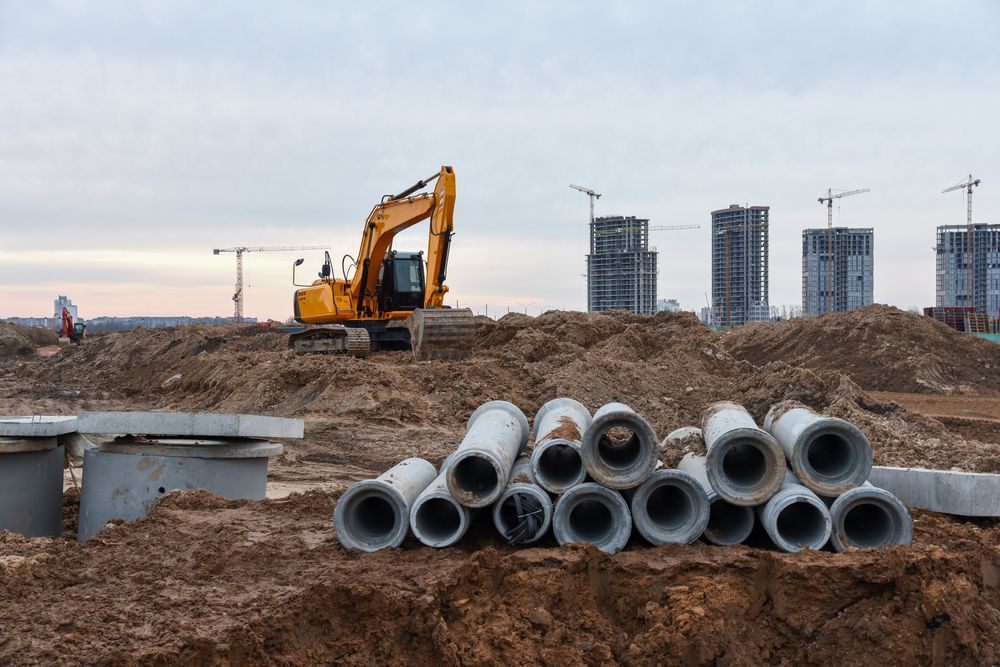
Effective culvert and drainage systems move stormwater off surfaces and into designed discharge points without creating secondary erosion or flooding problems. Installation begins with excavation to design grade, placement of aggregate bedding material to support pipe loads, and backfill compaction that prevents settlement under traffic. Pipe material selection depends on load requirements—corrugated metal pipe handles heavy vehicle traffic over driveways while HDPE drainage pipe works for yard applications where flexibility and corrosion resistance matter.
After installation completes, driveways shed water to culvert inlets instead of pooling in low spots, yard surfaces dry faster because subsurface drains intercept groundwater before it surfaces, and access roads remain passable after storms because runoff flows through rather than over travel surfaces. Erosion channels stop expanding because water velocity is controlled through properly sized conveyance rather than uncontrolled sheet flow across soil.
Drainage projects often include grading adjustments, swale construction to direct surface flow, or catch basin installation where multiple flow paths converge. French drains address subsurface saturation while surface inlets capture sheet flow before it gains erosive velocity. The approach depends on whether water problems originate from surface runoff, high groundwater, or poorly draining soils.
Questions Property Owners Ask About Drainage Work
Drainage projects in Augusta address concerns about water management, erosion control, and long-term system performance under regional rainfall patterns.
How do you determine the right culvert size for a driveway?
Culvert sizing depends on drainage area, runoff coefficient based on surface type, and peak flow calculations using local rainfall intensity data—undersized pipes create backups while oversized installations waste resources without improving performance.
What prevents culverts from washing out during heavy storms?
Proper installation includes headwall or endwall structures that anchor pipe ends, riprap placement at outlets to dissipate flow energy, and adequate pipe embedment depth to resist buoyancy forces during high water events.
When should drainage systems be inspected or cleaned?
Annual inspections before storm season identify sediment buildup, debris blockages, or structural damage that reduces flow capacity—addressing issues before heavy rain prevents emergency repairs during flooding events.
Why does water still pool after a culvert is installed?
Pooling after installation typically indicates grading issues that direct water away from inlets, insufficient system capacity for actual runoff volumes, or outlet elevations set too high to drain low areas completely.
What's included in a drainage evaluation?
Evaluations involve site inspection to identify water sources and problem areas, topographic assessment to determine flow direction, soil observation to estimate infiltration rates, and recommendation development for systems that address specific site conditions.
Brocato Land Care provides free drainage estimates and uses professional equipment to complete culvert and drainage installations efficiently. Schedule a consultation to discuss water management solutions designed for your property layout and storm exposure.