
Slopes Stabilized for Functional Outdoor Space
Retaining Walls in Augusta for erosion control and sloped yard management
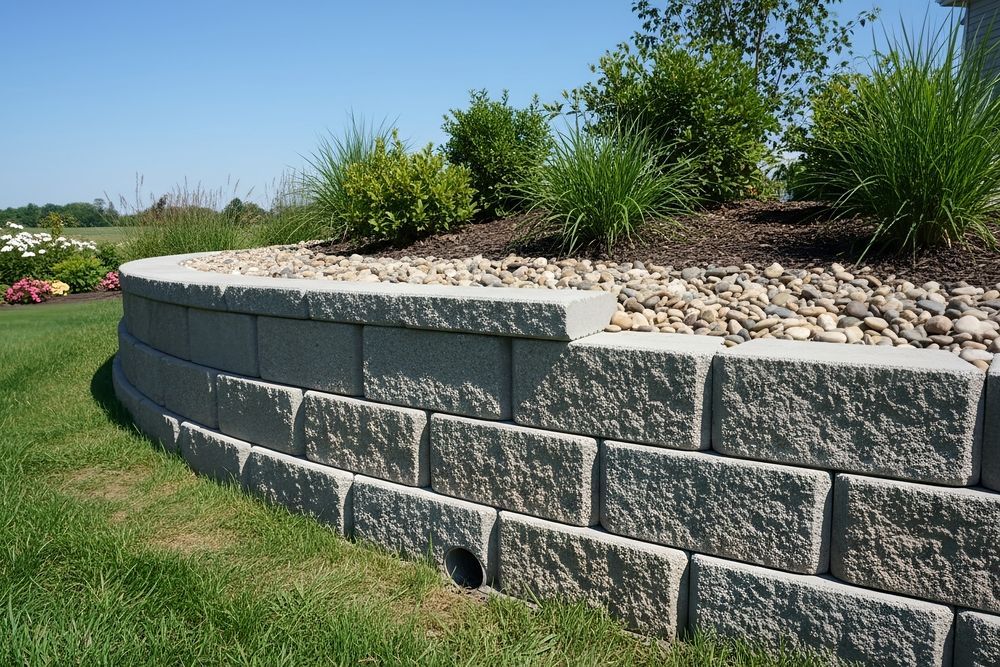
Sloped yards limit usable outdoor space, erode during heavy rain, and create runoff problems that affect driveways and foundations. Retaining walls hold soil at designed elevations, creating level terraces on otherwise unusable slopes and directing water along controlled paths rather than allowing unmanaged flow across the property. Brocato Land Care installs durable retaining walls on residential properties throughout Augusta using construction methods designed for long-term structural performance. After installation, previously sloped areas become stable, level spaces suitable for landscaping, patios, or lawn areas that weren't practical before.
Installation involves excavating to below-grade depth for a stable base, setting wall materials with proper backfill and drainage, and compacting soil behind the structure to prevent settling. Walls are built to retain the specific soil loads and drainage conditions present on each property rather than using a one-size approach.
Discuss retaining wall solutions and design goals for your property during an on-site consultation.
Properly constructed retaining walls include compacted gravel backfill and perforated drain pipes behind the structure to relieve hydrostatic pressure that would otherwise push the wall outward. Without drainage provisions, water builds up behind the wall during rain events, creating pressure that causes bulging, cracking, or complete failure over time.
Once walls are complete and backfill has settled, level terraces replace slopes, erosion stops in areas where soil previously washed downhill, and runoff follows designed drainage paths instead of sheeting across the yard. The stabilized soil allows planting or lawn installation in spaces that were too steep to maintain before, and outdoor areas become usable year-round without the mud and erosion problems common on unmanaged slopes.
Wall height, material selection, and design details depend on the elevation change being retained, soil type, and intended use of the terraced space. Installation timelines are efficient while maintaining attention to footing preparation and drainage details that determine whether walls perform correctly over decades or fail within years.
What Property Owners Usually Ask
Retaining wall projects often involve questions about material choices, drainage requirements, and how walls address specific property challenges common across Augusta-area homes.
What causes retaining walls to fail after installation?
Inadequate drainage behind the wall allows water pressure to build, poor footing preparation leads to settling, and insufficient backfill compaction results in soil movement that pushes the structure out of alignment.
How tall can retaining walls be built on residential properties?
Most residential walls range from two to four feet in height, with taller walls requiring engineered designs and reinforcement methods beyond standard gravity-based construction.
What materials are used for retaining wall construction?
Block systems, natural stone, and timber are common choices depending on design goals, budget, and the specific soil and drainage conditions on the property.
How does slope affect retaining wall design in Augusta?
Steeper slopes require stronger walls with more robust drainage systems, and properties with clay soils need careful attention to backfill selection since clay holds water and increases pressure behind the wall.
What maintenance do retaining walls require after installation?
Periodic inspection for settling or drainage problems, clearing weep holes if present, and ensuring that landscaping doesn't block drainage paths behind the wall keep structures performing correctly long-term.
Brocato Land Care approaches every retaining wall project with attention to structural details and clean workmanship throughout installation. Contact us to evaluate your sloped property and discuss wall solutions that address erosion and create functional outdoor space.